

Quick answer: Melbourne cost of living is driven less by one number and more by the home you choose. Housing price, insurance, roof age, flood zone, property taxes, HOA dues, utilities, commute, repairs, and proximity to the beach or river can change the real monthly cost dramatically.
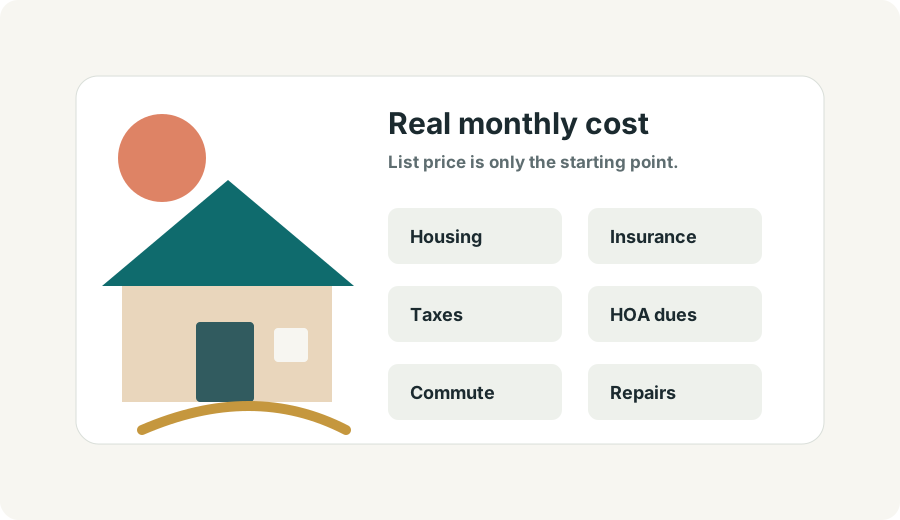
Costs Buyers Notice First
- Purchase price or rent by area, home size, age, and condition.
- Property taxes and possible HOA dues or neighborhood-specific fees.
- Utilities, commuting, childcare, schools, and everyday transportation patterns.
Costs Buyers Often Miss
- Roof age, wind mitigation, flood zone, and insurance readiness.
- Older-home maintenance, windows, plumbing, electrical, drainage, and renovation quality.
- Higher carrying costs for waterfront, beachside, or more complex properties.
How to Compare Areas
- Compare the monthly payment and the risk profile, not just list price.
- Ask what repairs or insurance concerns could affect financing and ownership cost.
- Balance commute, school priorities, lifestyle, and resale strength before choosing.
Questions about Cost of Living in Melbourne FL
Is Melbourne FL expensive?
Melbourne can feel affordable or expensive depending on the area, home type, condition, insurance profile, and buyer expectations. Mainland homes, newer subdivisions, waterfront properties, and beachside alternatives can have very different cost structures.
What costs should Melbourne homebuyers check?
Buyers should check insurance, roof age, flood zone, property taxes, HOA dues, utilities, commute, maintenance history, and condition issues before comparing homes only by price.
Do insurance costs matter in Melbourne FL?
Yes. Insurance readiness, roof age, wind mitigation, flood zone, and property condition can affect both monthly cost and whether a home is practical for a buyer.